Water damage help for Memphis homeowners
Water Damage Restoration Near Memphis, Tennessee
Burst pipe, storm leak or flooded basement? Send a request and Roomsrural Restoration will connect you with an independent local provider who can inspect, extract water and dry the structure.
- Request an estimate in minutes
- No obligation to hire
- Independent local providers
- Plain-language guidance
Request a callback
Services
Services Covered
Three services cover most water damage calls. Each card below explains when the service fits, what the work involves and what to ask a provider before you agree to an estimate.
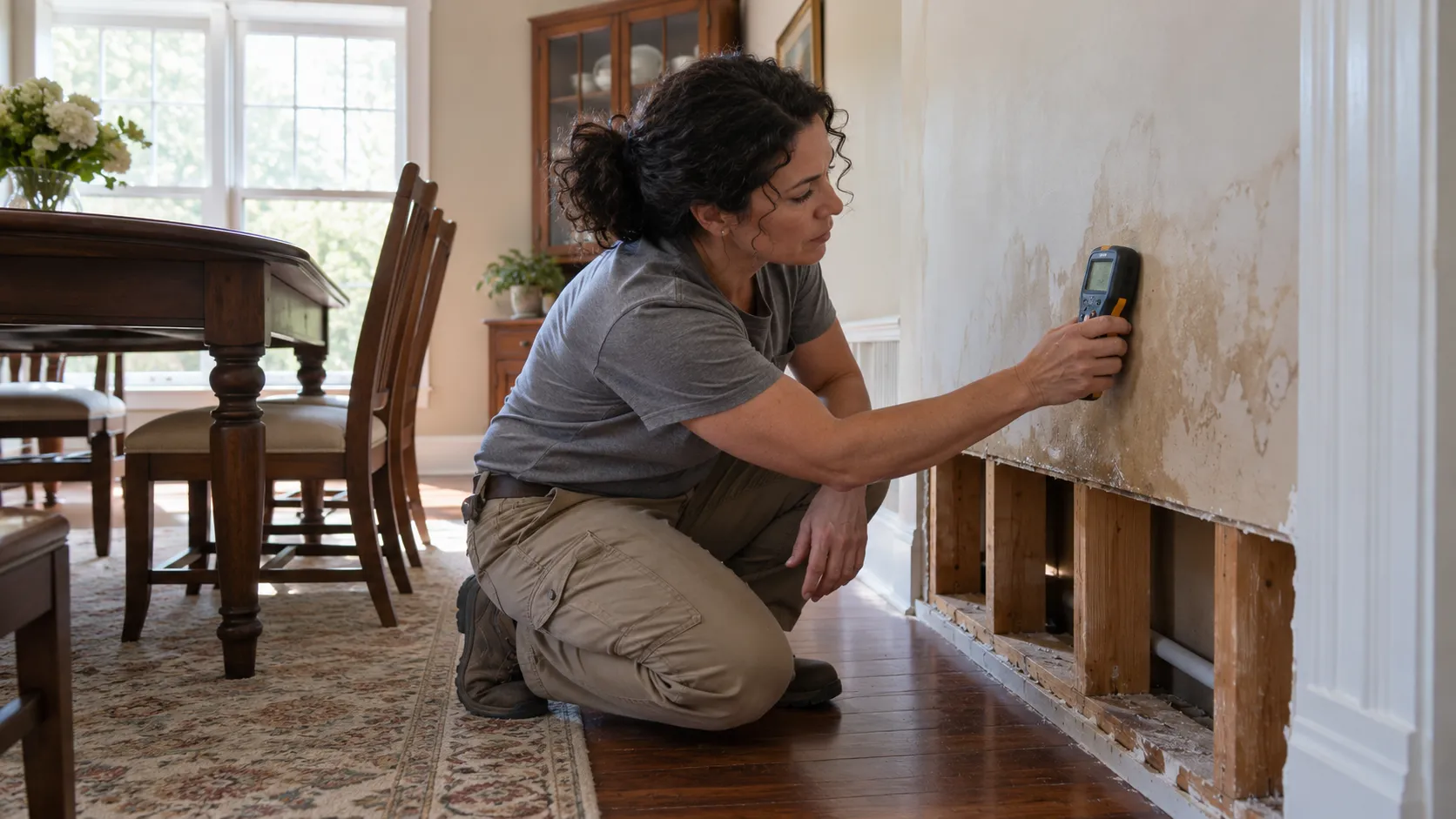 Water Damage RestorationStop the source, then let a local provider extract, dry and restore everything the water touched.
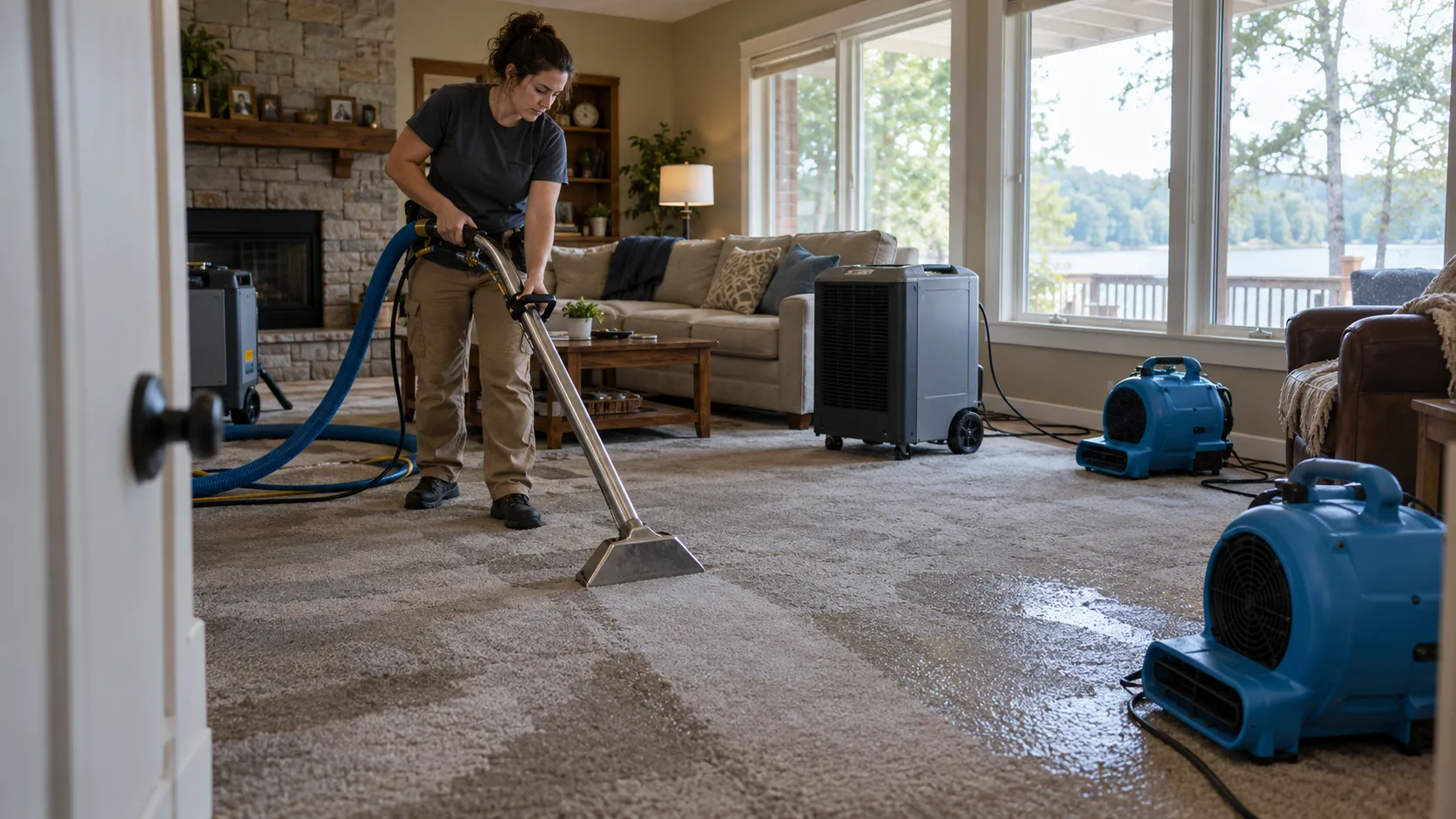 Water Extraction & Structural Drying ServicesWater extraction removes standing water, and structural drying pulls moisture out of walls, floors and framing before damage spreads.
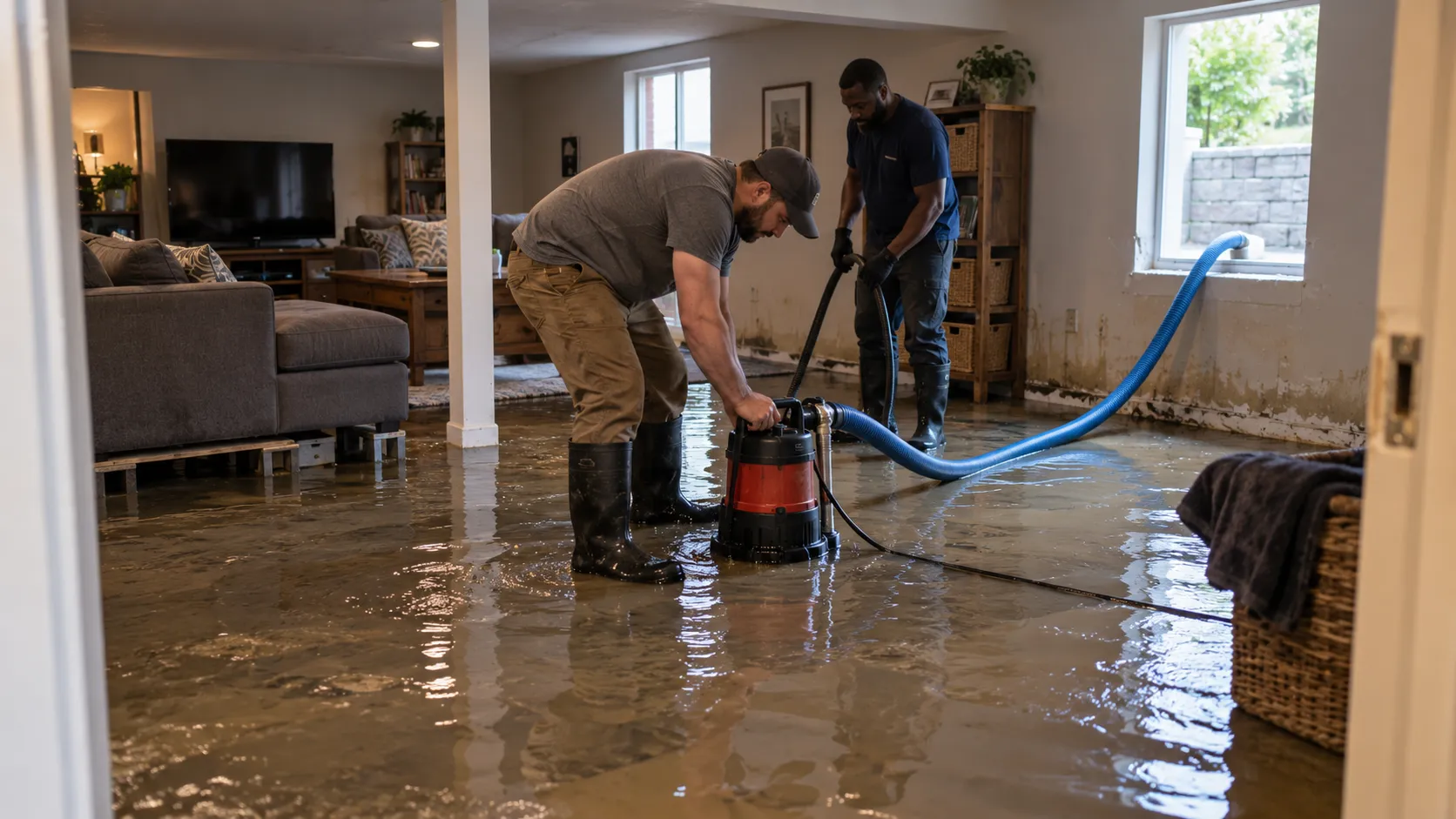 Flooded Basement CleanupWater in the basement needs a plan: make it safe, stop the source, and get a provider to pump and dry.
Need help in Memphis?
- Request an estimate in minutes
- No obligation to hire
- Independent local providers
- Plain-language guidance
No obligation
Questions
Water Damage Questions Answered
What should I do first when my house floods?
Stop the source if you can by closing the main water valve. Stay out of standing water if outlets or appliances are nearby. Take photos, move small items to dry ground, then request an estimate from a local provider so extraction and drying can begin.
How long does structural drying take?
It varies with the amount of water, the materials and the humidity. Many jobs run several days, and thick framing or subfloor can take longer. A good provider takes moisture readings and tells you when the building meets its drying goal.
Can I clean up a flooded basement myself?
Small, clean spills, yes. Deeper water, wet drywall, insulation or any sewage needs a provider. Hidden moisture and contamination are the risks. Household fans rarely finish the job, and missed moisture can lead to mold.
How much does water extraction cost?
Typical U.S. costs range from a few hundred dollars for a small area to several thousand for a large flooded basement. Water type, depth, materials and equipment time all change the price. Always get a written quote first.
Does homeowners insurance cover water damage?
Some policies may cover sudden damage, such as a burst pipe, but often not gradual leaks or floods. Check your policy. Providers can often help document damage for a claim with photos and moisture readings.
Water in the House: First Moves
Water in the house is a sequence problem. Stop the source, make the area safe, then start drying. The order matters, and some steps belong to you while others need a provider's equipment.
Roomsrural Restoration is a referral service. It does not send crews and does not do the work. You describe the problem, and Roomsrural Restoration connects you with an independent water damage restoration provider in the Mid-South area. The provider inspects, quotes and does the job.
Here is what you can safely do while you wait:
- Shut off the water at the main valve if a pipe or appliance is the source.
- Turn off power to the wet area only if you can reach the panel without standing in water.
- Move small furniture, rugs and electronics out of the wet zone.
- Take photos and video of the damage before anything is moved.
Leave the rest to a pro: standing water deeper than an inch or two, wet insulation, soaked drywall, and any water that may be sewage.
Ready to move? Request an estimate and describe what you see.
Prefer to talk it through? Request a callback to check provider availability.
How It Works
How a referral works
You send a short request. It covers what happened, which rooms are wet and how long the water has been there. Roomsrural Restoration passes it to a provider in our network that serves the Mid-South area. The provider contacts you, books an inspection and gives a written estimate. Call hours and availability vary by provider.
Roomsrural Restoration does not run the job, set the price or hold the license. The provider is an independent business and answers for its own work. You review the estimate and decide. There is no obligation.
What you can safely do
Some steps are yours, and they help. Shut off the water at the main valve. Cut power to the wet area only if the panel is dry and you can reach it without stepping in water. Lift small items, pull up loose rugs, and open a few windows if the weather allows. Photograph everything before you move it. Mop up a small, clean spill on a hard floor.
What needs a professional
Stop and hand it off when water is deeper than a puddle, when it has soaked drywall, insulation or subfloor, or when it came from a sewer line or storm runoff. Those cases carry health risks and hidden moisture.
Why equipment matters
A surface that looks dry is only half the story. Water travels into wall cavities, under flooring and along crawl-space framing. Providers use pumps and extractors to remove standing water. This step is called water extraction. They then use moisture meters and thermal cameras to find what is still wet. Air movers and dehumidifiers dry the building on a measured schedule. This is structural drying. Household fans and a shop vacuum cannot match it, and missed moisture is what turns into mold.
Serving Memphis and Nearby
Roomsrural Restoration refers homeowners in Memphis and across the Mid-South area. Coverage depends on where each provider works, so the request form asks for your location first.
Local weather shapes the calls. Hot, humid summers keep indoor air heavy, so damp materials dry slowly without equipment. Thunderstorms bring roof leaks, backed-up drains and water in low rooms. Ice storms can split pipes and pull down gutters. Remnants of tropical systems can drop rain for days, which soaks the ground and pushes water toward foundations.
Housing matters too. Homes on crawl spaces tend to see water under the floor, where wet insulation and framing stay hidden. Slab homes often show leaks through flooring, baseboards and carpet edges. Older mill-era houses may have aging supply lines and drains. Newer subdivisions can have finished lower levels or bonus rooms that collect water after a heavy storm. Brick and vinyl siding both need a check where water enters behind the wall.
Tell the provider which type of home you have. It helps them plan the drying.
Describe the damage and request an estimate.
Hiring a Provider with Confidence
Hire with confidence
Water damage jobs start fast and are easy to get wrong. A short set of questions sorts solid providers from weak ones. Ask them of any provider, including those in our network.
Do you inspect before quoting?
A good answer: yes, someone looks at the site, checks moisture levels and writes down what they find. Be wary of a firm price over the phone for anything beyond a small spill.
How will you prove the structure is dry?
Look for daily moisture readings and a clear drying goal. A good provider explains the equipment, how long it will run and when it will be removed. Red flag: a promise that it will be dry soon, with no readings to back it up.
What is in the written estimate?
Expect line items for extraction, equipment days, materials removed and cleanup. Typical U.S. jobs range from a few hundred dollars for a small spill to several thousand for a flooded basement. Costs vary by size, water type and materials. Get the quote in writing before work starts.
Can you help with insurance paperwork?
Some policies may cover sudden damage, so check yours. Providers can often help document damage with photos, readings and itemized invoices. Be cautious of anyone who makes claims about how your claim will turn out. Your policy and your insurance company decide that, not the provider.
What licenses and insurance do you carry?
Requirements differ by state and trade. Ask for proof and check it yourself. Roomsrural Restoration does not vouch for any provider's credentials, so this step is yours.
Red flags to walk away from
- Pressure to sign on the spot.
- A large cash deposit demanded up front.
- No written scope or no equipment list.
- Tearing out materials without explaining why.
- Vague answers about mold or sewage handling.
Your move
Keep your photos, quotes and notes in one place. Compare at least two estimates when conditions allow. If the water is still spreading, stop the source first, then get a provider on site.
Request Your Estimate
Tell Roomsrural Restoration what happened, where the water is and when it started. The request goes to a local provider in the network, who follows up with next steps. You are not obligated to hire anyone.
If you would rather talk, request a callback to check provider availability. Call hours vary by provider.
Why homeowners call us
Why Choose Roomsrural Restoration?
Independent Local Providers
Requests go to independent businesses that serve your part of the Mid-South area. They do the work, so you deal directly with the people on site.
Honest Roles
Roomsrural Restoration is a referral service only. It does not perform repairs, set prices or run jobs, and it says so up front.
Clear DIY Guidance
You get plain advice on what is safe to do yourself, such as shutting off water and taking photos, and what needs real equipment.
No Obligation
Request an estimate, read it and decide. Nothing is required, and you can compare more than one provider.
1. Stop the source
Shut off the water, cut power to wet areas if safe, and take photos.
2. Request an estimate
Tell us what happened, where, and how far the water spread.
3. A local provider reviews your request
An independent provider contacts you, checks availability and explains the plan.
4. Extraction, drying, repair
The provider removes water, dries the structure and rebuilds what was lost.